

為何探戈被視為文化異端?
已更新:2023年3月15日

主流文化對於「愉悅」這個概念,時常是採禁忌的態度;探戈也因此被當成文化異端,因為它裡面充滿了愉悅。
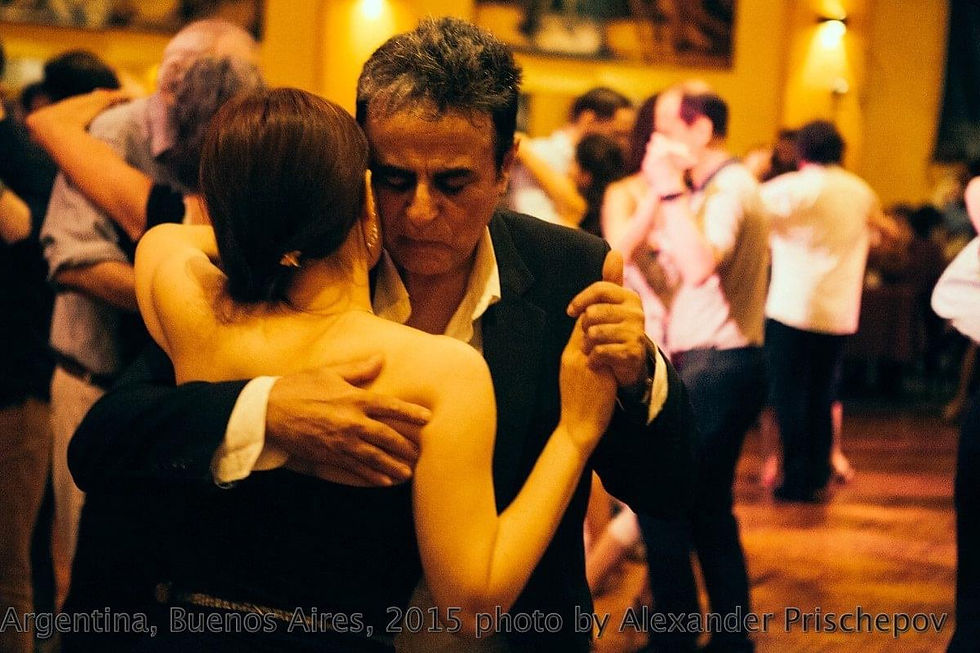
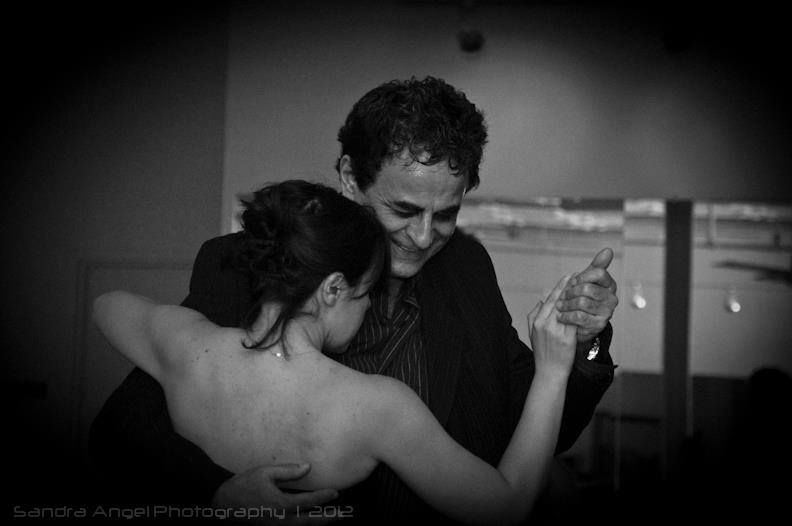
探戈為跳舞注入了愉悅感;在舞者身體的非語言訊息裡,可以發現這樣的感受。身體不會說謊。
人們跳探戈,是因為彼此連結與消融時所產生的愉悅感。我所教導的探戈——在舞會裡跳的探戈——也常被視為文化異端,只因為它不是照著編好的舞序跳。
在我的教學方法裡,舞序只是幫助學生的鷹架,而非真正的教學目標。
真正的探戈交流,是身體之間的接觸與互動。
如果只跳事先套好招的舞序,那你就脫離了探戈的本質。
====
Tango is countercultural because cultural pleasure has been, is and will be forbidden. Tango has the counterculture that has pleasure.
Tango brings pleasure to the dance. It can be tell from dancers' body language (bodies do not lie) when they connect and surrender to each other.
They all dance tango because of the pleasure. Dancers try to achieve it.
The tango that I teach, the tango that is danced in the milongas, is countercultural, because it is not choreographic. This does not mean that we do not use choreography. We use it as techniques and teaching aids, never as objectives.
The communication that tango has, this body-to-body dance, is the sincerity of tango.
But if we agree on the tango, (I do this step, and you must do this another), it is the choreography of the tango. It is something else. We cannot say that it is not tango, but it is the choreography of tango, which is not the essence of tango.
It is a pity that many dancers do steps and / or tango figures instead of dancing tango.

留言